Designing for Calmness
[ calm ]
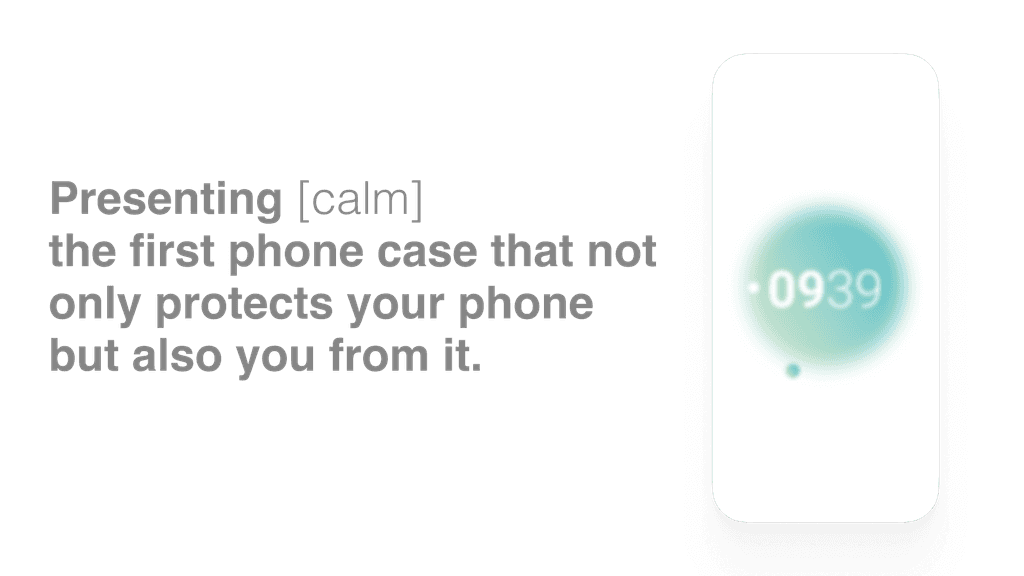
read as "calm case"
Ubiquitous Computing has almost become a reality; and with computing all around us, all we want is to compute and consume more. While we are more empowered, more entertained and more efficient than ever before, we do have more time than ever to be more fully human. Thus we must radically rethink the goals, context and technology of the computer and all other technologies crowding into our lives.
01
Problem Statement
Designs that encalm & inform meet two human needs not usually met together. Information technology is more often the enemy of calm.
The applications on our smartphones bombard us frenetically with information, seeking our attention.
The very technology that was intended to serve us, has enslaved us instead.
Can we really look to technology itself for a solution?
Designs that encalm & inform meet two human needs not usually met together. Information technology is more often the enemy of calm.
Inform and encalm.
Be unobtrusive and minimal
Engage the periphery.
Use channels other than visual. Compress information to pipe it in through peripheral senses.
Embrace Embodied Cognition.
Be unobtrusive and minimal
02
Research Process
Inspiration
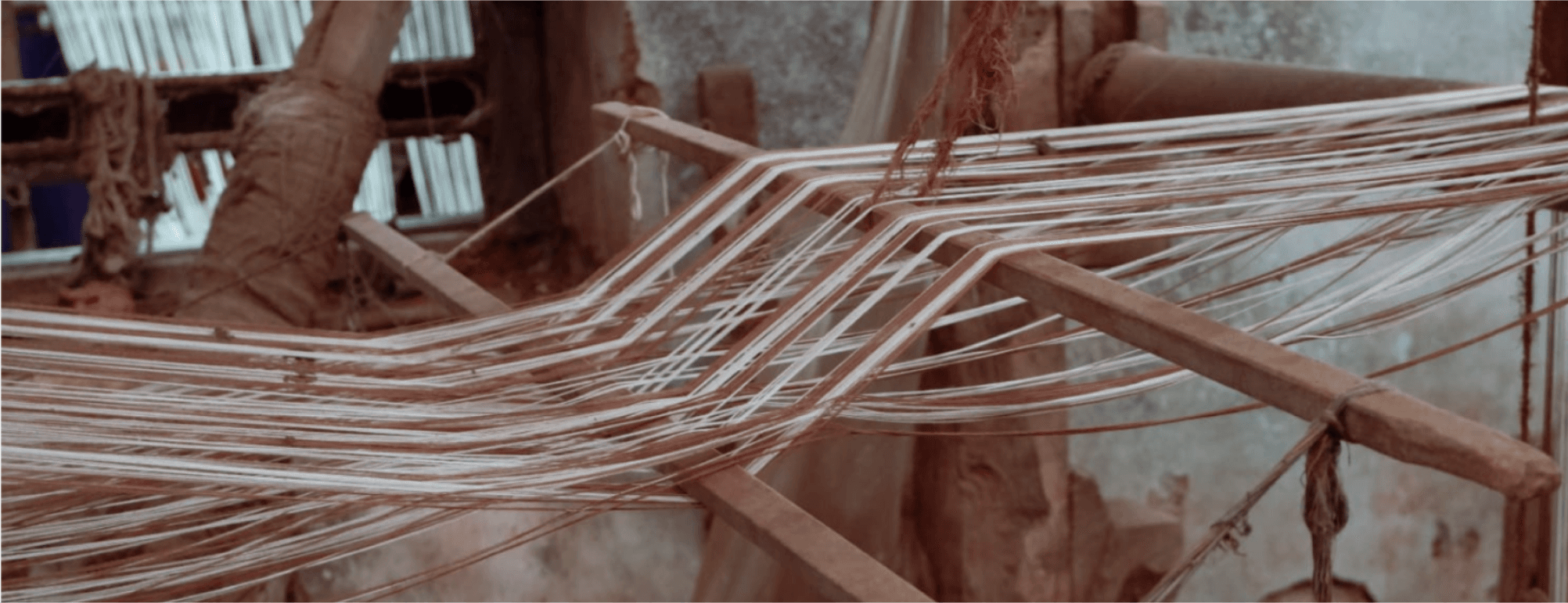
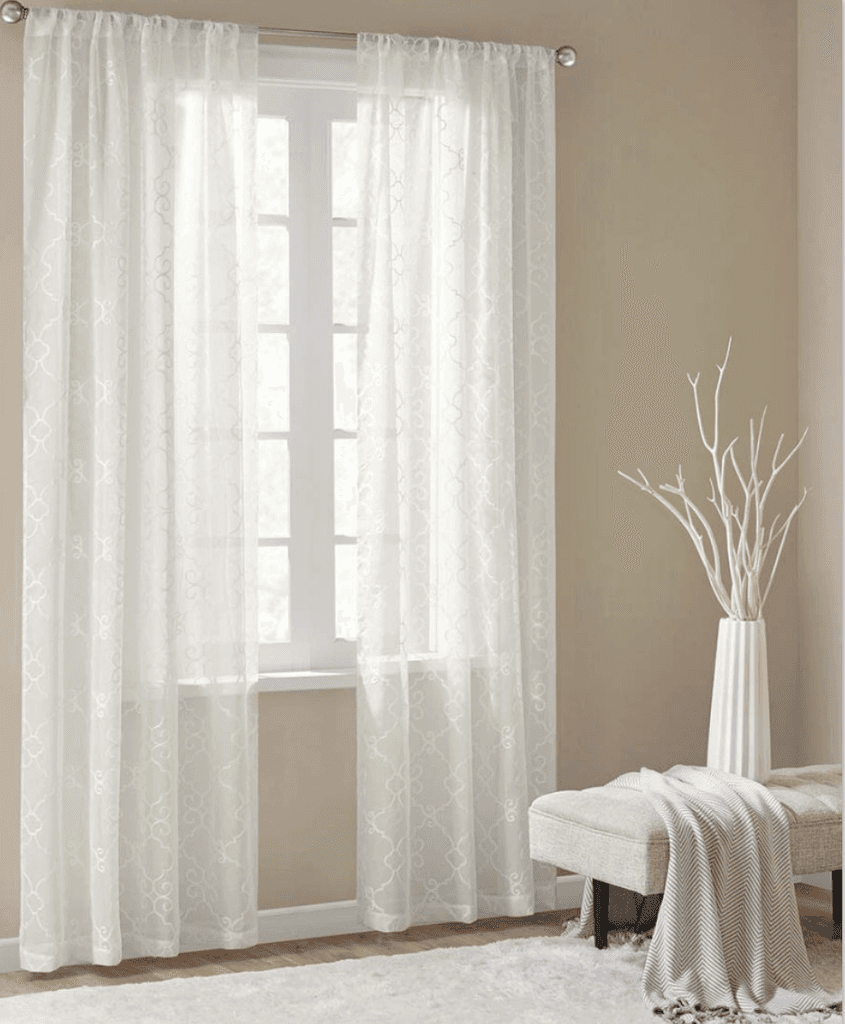
I drew inspiration from the act of drawing curtains on a window to block out excess stimuli, transforming this concept into a phone case design—our modern window to the world. The metamorphosis of this idea resulted in a translucent fabric case that allows only essential information to filter through, enabling us to focus on our humanity and real-world connections. Linen was the natural choice for this design artifact, selected for its rich tactile and emotional qualities. As a material, linen is perceived as warm, timeless, and comforting—precisely the emotions I aimed to evoke with this creation. The soft, natural texture of linen provides a soothing contrast to the cold, hard surface of our digital devices. Its timeless appeal aligns perfectly with the goal of creating a more mindful and enduring relationship with our technology. By enveloping our phones in this gentle, organic material, I sought to transform our devices from sources of digital overwhelm into objects that promote calm, focus, and a return to our essential human nature.
Literature Review
My research explored existing academic and industry literature on peripheral interaction and sensor fusion in the context of ubiquitous computing.
Roto, V., Law, E., Vermeeren, A., and Hoonhout, J. (eds). 2011. User Experience White Paper
UX as a phenomenon is described as couple of different things, notably : UX includes encounters with systems – not only active, personal use, but also being confronted with a system in a more passive way.
Also raises the question of the appropriate time span when focusing on UX; momentary, episodic, cumulative.
[calm] focuses on the momentary & cumulative UX time span.
Hassenzahl, M (2003) The thing and I: Understanding the relationship between user and product
This work introduces the concept of a product’s intended character which serves both as a high level description and to reduce cognitive complexity while using said product.
Intended product character of [calm] is serene, clear, stark, unassuming and of course, calm.
Conclusion of Initial Research
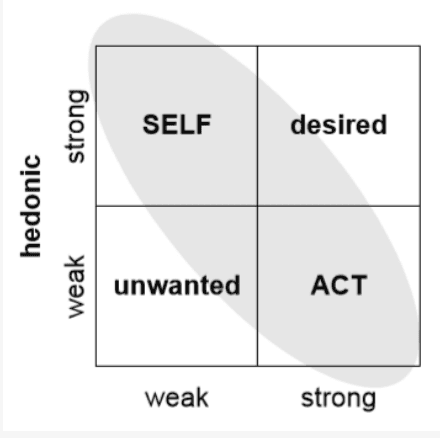
Hassenzahl, M (2003) The thing and I: Understanding the relationship between user and product also describes using pragmatic or hedonic attributes of products to classify them as either ACT or SELF.
Although primarily designed as a pragmatic product ("strong pragmatic / weak hedonic") i.e. an ACT product, [calm] potentially could also serve a strong hedonic use-case for specific kinds of users.
03
Design Process
Data Analysis & Conclusion of Initial Research
The collected data were analyzed to draw meaningful connections between user needs and sensor capabilities. From the user interviews, we found that real-time data should be used to inform adaptive and anticipatory user interfaces. Expert insights and existing research helped us to frame our design hypotheses and guide the development of prototypes that address both safety and comfort. The combined research identified gaps, such as the underutilization of sensor data for proactive user assistance, which became focal points for our design solutions.
01
Rapid Prototyping
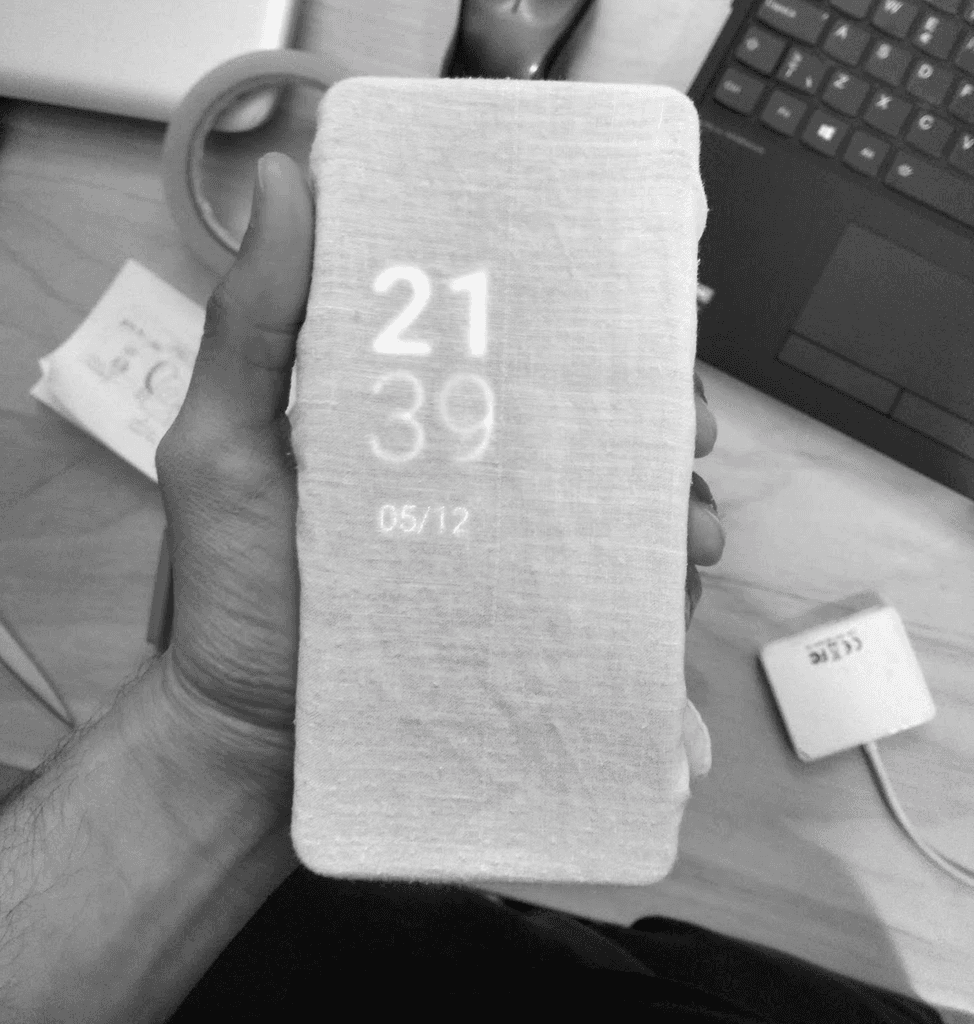
Fabric is calm and peaceful yet free flowing, attributes that I think we need more of in our lives. Covering up the big, bright, colorful, and pixel-dense display allows us to refocus and to seek clarity only where and when it is needed, while obscuring extraneous noise under a soft fabric veil.
I modified a store-bought flip-style phone case, removed the magnets on the front flap and replaced it with a translucent linen front.
04
Final Design Solution
Case Construction
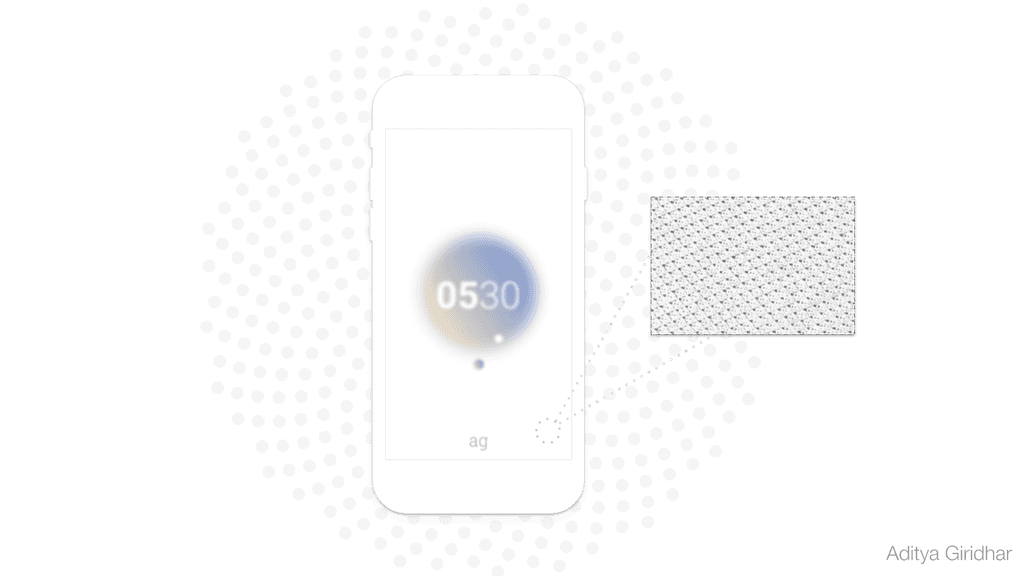
The soft light of the orb permeating through the white woven fabric front of the case contrasts the sharp and bright display which sits beneath it. The micro-weave fabric was a deliberate choice as it is an optimal light diffusion material, which softens the display backlight and provides an aesthetic blur.
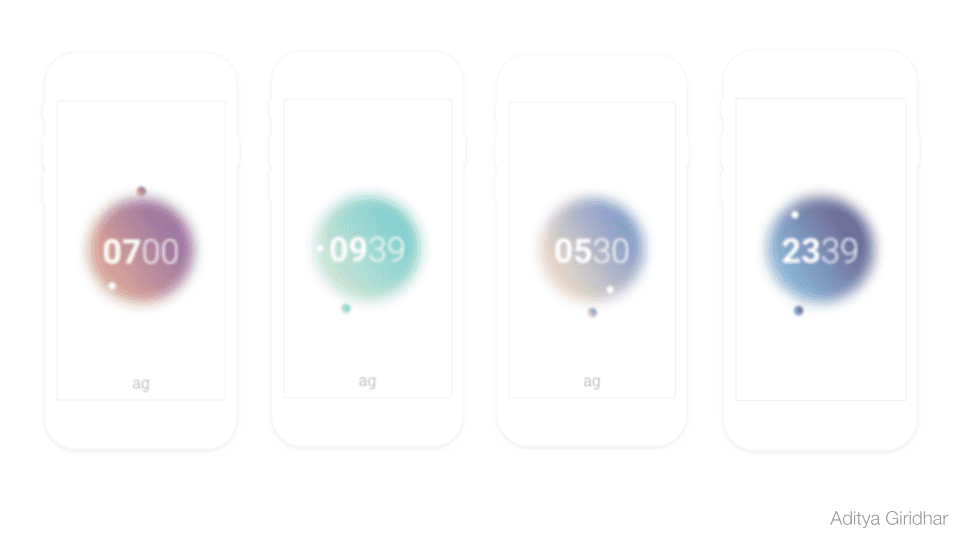
Indicates the progression of time, change in temperature and the user’s activity levels.
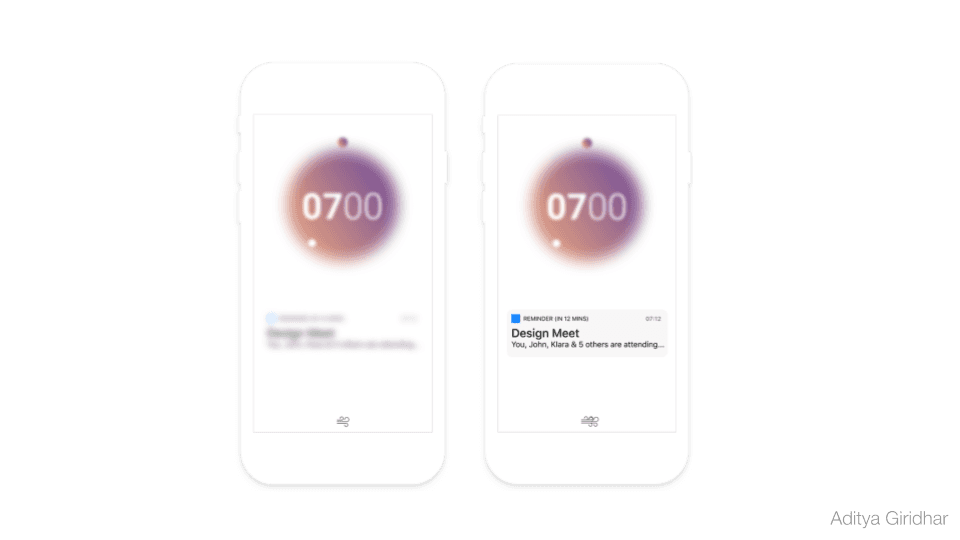
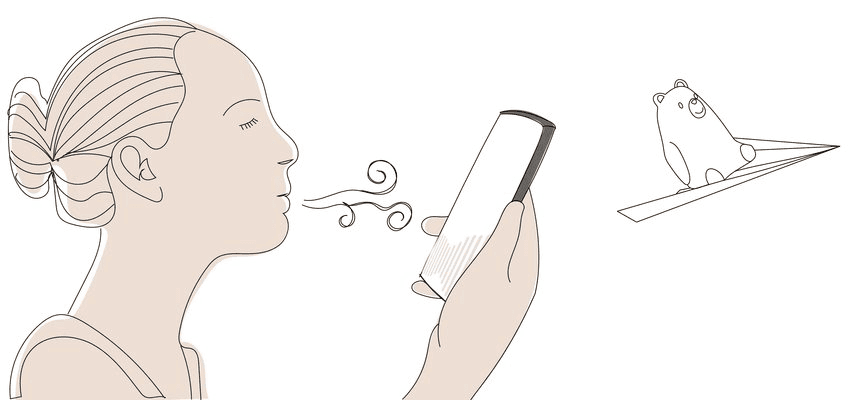
When an app sends out an important notification such as a Calendar Reminder, [calm] ensures that the process of receiving such a notification isn’t jarring at all. For instance an upcoming reminder will start to gradually emerge behind a cloud of “fog”, and proceed to clear up as the time of notification approaches. The user may choose to take a quick peek at the upcoming notifications by blowing away the “fog”, momentarily.
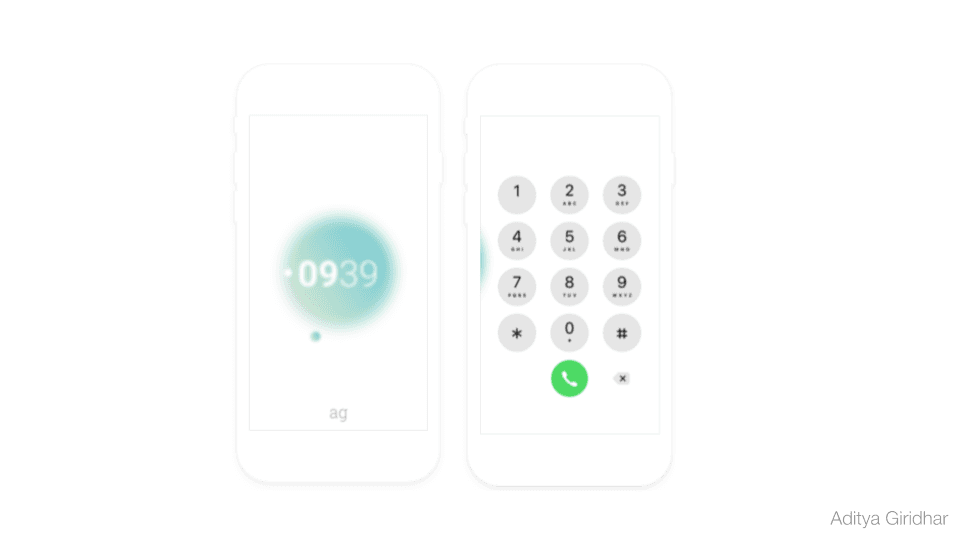
Phone app, so you can actually call people. Accessed by swiping the orb to the left.
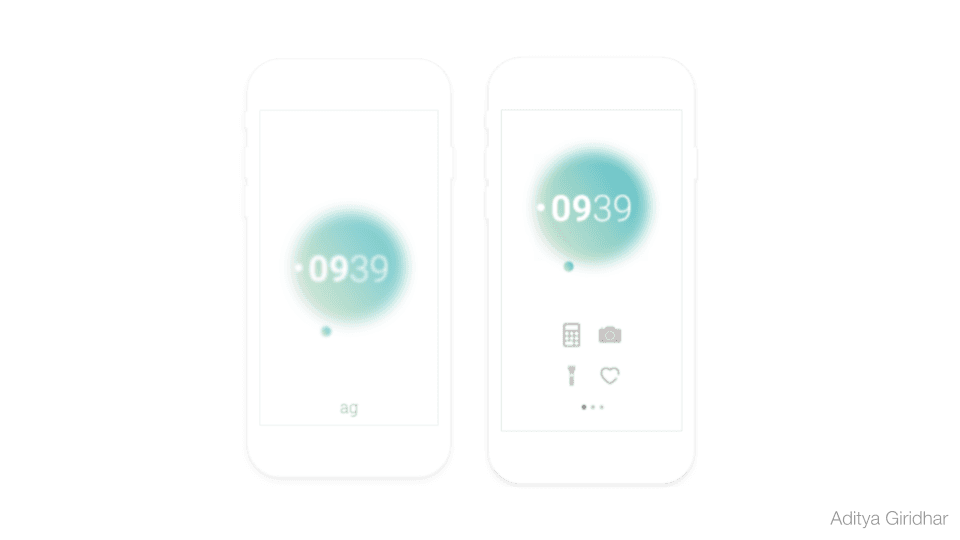
Accessed by a flick of the wrist or swiping up, the Toolkit provides quick access to important and handy tools like the camera, flashlight, digital wallet, Breathe, etc.
05
User Tests
Wizard of OZ Prototyping
I employed the Wizard of Oz prototyping method to simulate a lock screen application called "calm case". During user testing sessions, I manually triggered notifications and emulated all the functionalities of the potential app from behind the scenes. This approach allowed me to test user interactions and gather valuable feedback on the app's features without investing time and resources into fully developing the application. By acting as the "wizard" controlling the simulated functionalities, I could observe user behavior, assess the app's usability, and identify areas for improvement in a cost-effective manner.
We used Sketch and InVision prototypes as the "app" that would launch on phones.
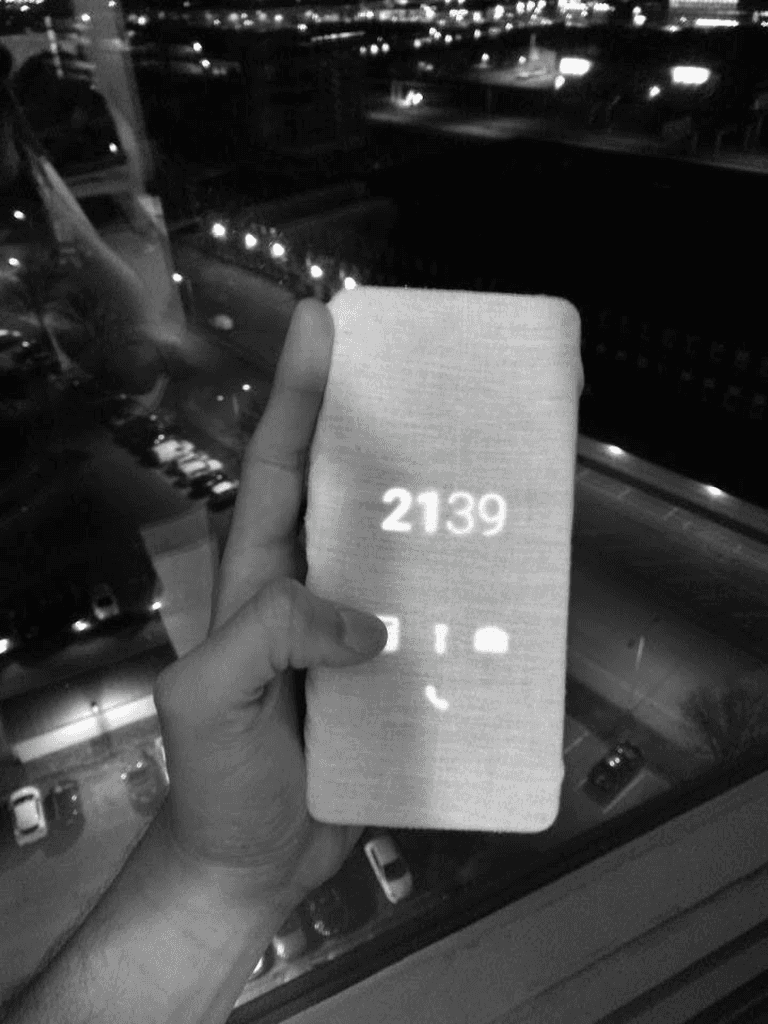
Interview + Cognitive Walkthrough
Insights from the interview and a cognitive walkthrough conducted in-person with this prototype :
"My phone looks less like a piece of tech and more like a decor piece"
"Far less likely to pick-up my phone unless necessary"
"Reminders feel less intimidating as they come in"
"Invokes a more calm and minimal feeling"
06
The Why
[calm] is designed, first and foremost, to serve as an artifact exemplifying the principles of calm technology, but this experience is inclusive of people with limited attention and cognitive load.
[calm] could also potentially be desirable for people living with ASD, ADHD, and other neurological differences who find themselves frequently overwhelmed by the flood of sensory information we have all come to expect in our personal smart devices.
The true value of a device isn’t measured by how powerful it is, but by how much it empowers you.
“Accessibility for Developers” document, Apple Inc.
07
Reflections
We should amplify the best of technology and the best of humanity. Humans are great at understanding contexts and being embodied. Computers are great at processing data into information, that we can act upon.
It’s more fulfilling to refocus on things that actually matter without technology getting in the way.
Potentially, the most interesting, challenging, and profound change implied by the ubiquitous computing era is a focus on calm.
“Designing Calm Technology”, Weiser & Brown, PowerGrid Journal, v.1.01 (July 1996)